The Impact of Zingiber officinale, Cinnamomum, and Aloe barbadensis on Glycemic Regulation in Type 2 Diabetes: A Systematic Review.
Medicinal plants role in type 2 Diabetes control
DOI:
https://doi.org/10.5281/SJCMS2026.1.1.24Keywords:
Natural herbal medicine, natural treatments, blood glucose regulation, insulin sensitivity, type 2 diabetes, and alternative therapyAbstract
Background & Purpose:
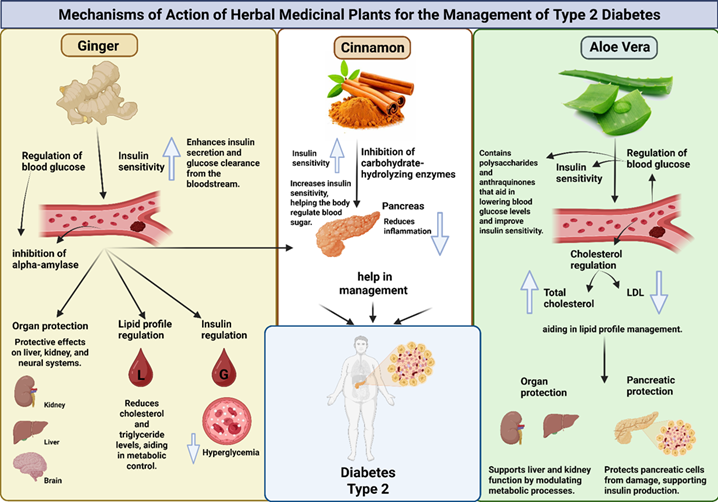
Type 2 Diabetes Mellitus (T2DM) is a global health challenge, with increasing prevalence and significant complications that impact the quality of life. Despite the availability of synthetic drugs, many patients seek alternative treatments, including natural products, to manage their condition. Various herbal plants, such as ginger, cinnamon, and aloe vera, have shown potential in regulating blood glucose and improving insulin sensitivity. Purpose: The aim of this review is to explore the current progress of natural products in the management of TII-DM, examining both their potential and limitations. Investigations into the natural ways of managing TII-DM have led many to explore the benefits of various plants and their derived compounds. However, extensive research is still needed to confirm their efficacy and safety.
Recent Findings:
Several studies have highlighted the promising effects of ginger, cinnamon, and aloe vera in blood glucose control. The current progress of these natural products used in type II Diabetes mellitus, contain bioactive compounds that influence metabolic pathways such as insulin signaling, glucose absorption, and oxidative stress regulation. However, evidence remains inconclusive for many natural products, and further studies are needed to confirm their efficacy and safety. Additionally, some herbal products may interact with other medications, highlighting the need for strict research methodologies and quality control. In the current work, we discussed the findings about the impact of selected herbal medicinal plants and their active compounds on individuals diagnosed with TII-DM.
Summary:
Ginger, cinnamon, and aloe vera show promising therapeutic effects for the management of type 2 diabetes mellitus.
References
Refrences:
1. Petersmann A, Müller-Wieland D, Müller UA, et al (2019) Definition, Classification and Diagnosis of Diabetes Mellitus. Experimental and Clinical Endocrinology and Diabetes 127:S1–S7. https://doi.org/10.1055/a-1018-9078.
2. Vecchio I, Tornali C, Bragazzi NL, Martini M (2018) The discovery of insulin: an important milestone in the history of medicine. Front Endocrinol (Lausanne) 9:613.
3. Dağaşan S (2021) Insulin Structure, Function and Diabetes Models in Animals. Journal of Experimental and Basic Medical Sciences 1:96–101. https://doi.org/10.5606/jebms.2020.75622.
4. Sapra A, Bhandari P. Diabetes. [Updated 2023 Jun 21]. In: StatPearls [Internet]. Treasure Island (FL): StatPearls Publishing; 2026 Jan-. Available from: https://www.ncbi.nlm.nih.gov/books/NBK551501/
5. Ebrahimzadeh A., Ebrahimzadeh A., Mirghazanfari S.M., Hazrati E., Hadie S., Milajerdi A. (2022) The effect of ginger supplementation on metabolic profiles in patients with type 2 diabetes mellitus: A systematic review and meta-analysis of randomized controlled trials, Complementary Therapies in Medicine, 65, 102802
6. Mayya V, Kandala RNVPS, Gurupur V, King C, Vu GT, Wan TTH. Need for an Artificial Intelligence-based Diabetes Care Management System in India and the United States. Health Services Research and Managerial Epidemiology. 2024;11. doi:10.1177/23333928241275292
7. Popoviciu MS, Kaka N, Sethi Y, et al. (2023) Type 1 Diabetes Mellitus and Autoimmune Diseases: A Critical Review of the Association and the Application of Personalized Medicine. J Pers Med 13:1–20. https://doi.org/10.3390/jpm13030422
8. Pouwer, F. and Speight, J., 2019. 117 Diabetes Mellitus, Type 2. Cambridge Handbook of Psychology, Health and Medicine, p.481.
9. Frommer L, Kahaly GJ. Type 1 diabetes and associated autoimmune diseases. World J Diabetes 2020; 11(11): 527-539 [PMID: 33269064 DOI: 10.4239/wjd.v11.i11.527]
10. Care D, Suppl SS (2021) Pharmacologic approaches to glycemic treatment: Standards of medical care in diabetesd2021. Diabetes Care 44:S111–S124. https://doi.org/10.2337/dc21-S009.
11. Dean PG, Kukla A, Stegall MD, Kudva YC (2017) Pancreas transplantation. BMJ 357: j1321.
12. Pastakia SD, Pekny CR, Manyara SM, Fischer L (2017) Diabetes in sub-Saharan Africa–from policy to practice to progress: targeting the existing gaps for future diabetes care. Diabetes Metab Syndr Obes 247–263.
13. Martinez LC, Sherling D, Holley A (2019) The Screening and Prevention of Diabetes Mellitus. Primary Care - Clinics in Office Practice 46:41–52. https://doi.org/10.1016/j.pop.2018.10.006.
14. Ismail L., Materwala H., Al Kaabi J. (2021) Association of risk factors with type 2 diabetes: A systematic review, Computational and Structural Biotechnology Journal,19: 1759-1785, ISSN 2001-0370, https://doi.org/10.1016/j.csbj.2021.03.003.
15. Yong J, Johnson JD, Arvan P, Han J, Kaufman RJ. Therapeutic opportunities for pancreatic β-cell ER stress in diabetes mellitus. Nat Rev Endocrinol. 2021;17(8):455-467.
16. Xu H, Tian Y, Tang D, et al. An endoplasmic reticulum stress-microRNA-26a feedback circuit in NAFLD. Hepatology. 2021;73(4):1327-1345.
17. James DE, Stöckli J, Birnbaum MJ. The aetiology and molecular landscape of insulin resistance. Nat Rev Mol Cell Biol.2021;22(11):751-77.
18. Khalid M, Alkaabi J, Khan MAB, Adem A. Insulin signal transduction perturbations in insulin resistance. Int J Mol Sci. 2021;22(16)
19. Herrera Moro Chao D, Kirchner MK, Pham C, et al. Hypothalamic astrocytes control systemic glucose metabolism and energy balance. Cell Metab.2022;34(10):1532-1547 e6.
20. Petersen MC, Vatner DF, Shulman GI. Regulation of hepatic glucose metabolism in health and disease. Nat Rev Endocrinol. 2017;13(10):572-587.
21. Kojta I, Chacińska M, Błachnio-Zabielska A. Obesity, bioactive lipids, and adipose tissue inflammation in insulin resistance. Nutrients. 2020;12(5).
22. Eizirik DL, Pasquali L, Cnop M. Pancreatic β-cells in type 1 and type 2 diabetes mellitus: different pathways to failure. Nat RevEndocrinol. 2020;16(7):349-362.
23. Pinti MV, Fink GK, Hathaway QA, Durr AJ, Kunovac A, Hollander JM. Mitochondrial dysfunction in type 2 diabetes mellitus: an organ-based analysis. Am J Physiol Endocrinol Metab. 2019;316(2):E268-E285.
24. Qin S, Wang Y, Wang S, Ning B, Huai J, Yang H: Gut microbiota in women with gestational diabetes mellitus has potential impact on metabolism in pregnant mice and their offspring. Front Microbiol. 2022, 13:870422.10.3389/fmicb.2022.870422.
25. Ojo O, Wang X, Ojo OO, Brooke J, Jiang Y, Dong Q, Thompson T: The effect of prebiotics and oral anti-diabetic agents on gut microbiome in patients with type 2 diabetes: a systematic review and network meta-analysis of randomised controlled trials. Nutrients. 2022, 14: 10.3390/nu14235139.
26. Craciun CI, Neag MA, Catinean A, et al.: The relationships between gut microbiota and diabetes mellitus, and treatments for diabetes mellitus. Biomedicines. 2022, 10: 10.3390/biomedicines10020308.
27. Sharma S, Tripathi P: Gut microbiome and type 2 diabetes: where we are and where to go? . J Nutr Biochem. 2019, 63:101-8. 10.1016/j.jnutbio.2018.10.003.
28. Wagenaar CA, van de Put M, Bisschops M, Walrabenstein W, de Jonge CS, Herrema H, van Schaardenburg D:The effect of dietary interventions on chronic inflammatory diseases in relation to the microbiome: a systematic review. Nutrients. 2021, 13: 10.3390/nu13093208.
29. Ojo O, Feng QQ, Ojo OO, Wang XH: The role of dietary fibre in modulating gut microbiota dysbiosis in patients with type 2 diabetes: a systematic review and meta-analysis of randomised controlled trials.Nutrients. 2020, 12:10.3390/nu12113239.
30. Najjar SM, Perdomo G. Hepatic insulin clearance: mechanism and physiology. Physiology (Bethesda). 2019;34(3):198-215.
31. Pei J, Wang B, Wang D. Current studies on molecular mechanisms of insulin resistance. J Diabetes Res. 2022;2022:1863429.
32. Filali-Mouncef Y, Hunter C, Roccio F, et al. The menage atrois of autophagy, lipid droplets and liver disease. Autophagy. 2022;18(1):50-72.
33. Huang X, Liu G, Guo J, Su Z. The PI3K/AKT pathway in obesity and type 2 diabetes. Int J Biol Sci. 2018;14(11):1483-1496.
34. Leto D, Saltiel AR. Regulation of glucose transport by insulin: traffic control of GLUT4. Nat Rev Mol Cell Biol. 2012;13(6):383-396.
35. Steinberg GR, Hardie DG. New insights into activation and function of the AMPK. Nat Rev Mol Cell Biol. 2023 Apr;24(4):255-272. doi: 10.1038/s41580-022-00547-x. Epub 2022 Oct 31. PMID: 36316383.
36. Steinberg GR, Carling D. AMP-activated protein kinase: the current landscape for drug development. Nat Rev Drug Discov. 2019;18(7):527-551.
37. González A, Hall MN, Lin SC, Hardie DG. AMPK and TOR: the yin and yang of cellular nutrient sensing and growth control. Cell Metab. 2020;31(3):472-492.
38. De Felice FG, Gonçalves RA, Ferreira ST. Impaired insulin signalling and allostatic load in Alzheimer disease. Nat RevNeurosci. 2022;23(4):215-230.
39. Wen X, Zhang B, Wu B, et al. Signaling pathways in obesity: mechanisms and therapeutic interventions. Signal Transduct Target Ther. 2022;7(1):298.
40. Lawan A, Bennett AM. Mitogen-activated protein kinase regulation in hepatic metabolism. Trends Endocrinol Metab. 2017;28(12):868-878.
41. Manowsky J, Camargo RG, Kipp AP, Henkel J, Püschel GP.Insulin-induced cytokine production in macrophages causes insulin resistance in hepatocytes. Am J Physiol EndocrinolMetab. 2016;310(11):E938-E946.
42. Mayer SI, Thiel G. Calcium influx into MIN6 insulinoma cells induces expression of Egr-1 involving extracellular signal-regulated protein kinase and the transcription factors Elk-1 and CREB. Eur J Cell Biol. 2009;88(1):19-33.
43. He X, Gao F, Hou J, et al. Metformin inhibits MAPK signaling and rescues pancreatic aquaporin 7 expression to induce insulin secretion in type 2 diabetes mellitus. J Biol Chem. 2021;297(2):101002.
44. Brown JM, Bentsen MA, Rausch DM, et al. Role of hypothalamic MAPK/ERK signaling and central action of FGF1 in diabetes remission. iScience. 2021;24(9):102944.
45. Sutandar, V., Saleh, M., & Maritska, Z. (2023). GLUT4 as A Protein Target for T2DM Therapy with Natural Compounds. Biology, Medicine, & Natural Product Chemistry, 12(1), 289-293. doi:https://doi.org/10.14421/biomedich.2023.121.289-293
46. Quistgaard, E. M., Löw, C., Guettou, F., & Nordlund, P. (2016). Understanding transport by the major facilitator superfamily (MFS): structures pave the way. Nature Reviews Molecular Cell Biology, 17(2), 123–132. https://doi.org/10.1038/nrm.2015.25
47. Julian van Gerwen, Amber S. Shun-Shion, Daniel J. Fazakerley; Insulin signalling and GLUT4 trafficking in insulin resistance. Biochem Soc Trans 28 June 2023; 51 (3): 1057–1069. doi: https://doi.org/10.1042/BST20221066.
48. Xi Y, Xu PF: Diabetes and gut microbiota. World J Diabetes. 2021, 12:1693-703. 10.4239/wjd.v12.i10.1693.
49. Letchumanan G, Abdullah N, Marlini M, et al.: Gut microbiota composition in prediabetes and newly diagnosed type 2 diabetes: a systematic review of observational studies. Front Cell Infect Microbiol. 2022, 12:943427. 10.3389/fcimb.2022.943427
50. Proença IM, Allegretti JR, Bernardo WM, et al.: Fecal microbiota transplantation improves metabolic syndrome parameters: systematic review with meta-analysis based on randomized clinical trials. Nutr Res. 2020, 83:1-14. 10.1016/j.nutres.2020.06.018
51. Farazi M, Houghton MJ, Cardoso BR, Murray M, Williamson G. Inhibitory effect of extracts from edible parts of nuts on α-amylase activity: a systematic review. Food Funct. 2024 May 20;15(10):5209-5223. doi: 10.1039/d4fo00414k. PMID: 38717256.
52. Diabetes.https://www.who.int/health-topics/diabetes#tab=tab_1. Accessed 7 Jun 2024
53. Cuevas-Ramos D, Mehta R, Aguilar-Salinas CA (2019) Fibroblast growth factor 21 and browning of white adipose tissue. Front Physiol 10:430054.
54. Roden M, Shulman GI (2019) The integrative biology of type 2 diabetes. Nature 576:51–60. https://doi.org/10.1038/s41586-019-1797-8.
55. Li, W.-h. (2022). Targeting Ceramides and Adiponectin Receptors in the Islet of Langerhans for Treating Diabetes. Molecules, 27(18), 6117. https://doi.org/10.3390/molecules27186117
56. Modica S, Wolfrum C (2017) The dual role of BMP4 in adipogenesis and metabolism. Adipocyte 6:141–146.
57. Durlach V., Vergès B., Al-Salameh A., Bahougne T., Benzerouk F., Berlin I., Clair C., Mansourati J., Rouland A., Thomas D., Thuillier P., Tramunt B., Le Faou A-L. (2022) Smoking and diabetes interplay: A comprehensive review and joint statement, Diabetes & Metabolism, 48(6), 101370, ISSN 1262-3636, https://doi.org/10.1016/j.diabet.2022.101370.
58. Song J, Lin WQ (2023) Association between alcohol consumption and incidence of type 2 diabetes mellitus in Japanese men: a secondary analysis of a Retrospective Cohort Study. BMC Endocr Disord 23:1–8. https://doi.org/10.1186/s12902-023-01350-1.
59. Ma H, Wang X, Li X, et al (2022) Moderate alcohol drinking with meals is related to lower incidence of type 2 diabetes. Am J Clin Nutr 116:1507–1514
60. Bonilha I, Hajduch E, Luchiari B, Nadruz W, Le Goff W, Sposito AC. The Reciprocal Relationship between LDL Metabolism and Type 2 Diabetes Mellitus. Metabolites. 2021;11(12):807. Published 2021 Nov 28. doi:10.3390/metabo11120807.
61. Kashima S, Inoue K, Matsumoto M, Akimoto K (2019) White blood cell count and C-reactive protein independently predicted incident diabetes: Yuport Medical Checkup Center Study. Endocr Res 44:127–137.
62. Maximus PS, Al Achkar Z, Hamid PF, et al. (2020) Adipocytokines: are they the theory of everything? Cytokine 133:155144.
63. Jameson, J.L. and De Groot, L.J., 2015. Endocrinology: adult and pediatric e-book. Elsevier Health Sciences.
64. Sethi JK, Hotamisligil GS. Metabolic Messengers: tumour necrosis factor. Nat Metab. 2021 Oct;3(10):1302-1312. doi: 10.1038/s42255-021-00470-z. Epub 2021 Oct 14. PMID: 34650277.
65. Wei X, Che W, Wang Q, Yu L. Evaluation of adiponectin and TNF-α expression in diabetic patients and its relationship with cardiovascular diseases. Cell Mol Biol (Noisy-le-grand). 2023 May 31;69(5):75-79. doi: 10.14715/cmb/2023.69.5.13. PMID: 37571897.
66. Park, J.-H., Nguyen, T. N., Shim, H. M., Yu, G. I., Ha, E. Y., & Cho, H. (2024). Identification of Adipsin as a Biomarker of Beta Cell Function in Patients with Type 2 Diabetes. Journal of Clinical Medicine, 13(23), 7351. https://doi.org/10.3390/jcm13237351.
67. El-Messallamy FA, Soliman JSA, Shalaby SMS, Abdel-Rahman HA-RK (2020) Fetuin-A as a marker of insulin resistance in type 2 diabetic patients in Zagazig University. Egypt J Hosp Med 79:462–468.
68. Gore AC (2016) Endocrine-disrupting chemicals. JAMA Intern Med 176:1705–1706.
69. Lin, JY., Yin, RX. Exposure to Endocrine-Disrupting Chemicals and Type 2 Diabetes Mellitus in Later Life. Expo Health 15, 199–229 (2023). https://doi.org/10.1007/s12403-022-00486-0.
70. Padhi S, Nayak AK, Behera A (2020) Type II diabetes mellitus: a review on recent drug based therapeutics. Biomedicine and Pharmacotherapy 131:110708. https://doi.org/10.1016/j.biopha.2020.110708.
71. Maruthur NM, Tseng E, Hutfless S, et al. (2016) Diabetes medications as monotherapy or metformin-based combination therapy for type 2 diabetes: a systematic review and meta-analysis. Ann. Intern Med 164:740–751.
72. Tomlinson B, Patil NG, Fok M, et al. (2022) The role of sulfonylureas in the treatment of type 2 diabetes. Expert Opin Pharmacother 23:387–403. https://doi.org/10.1080/14656566.2021.1999413.
73. Susilawati E, Levita J, Susilawati Y, Sumiwi SA (2023) Review of the Case Reports on Metformin, Sulfonylurea, and Thiazolidinedione Therapies in Type 2 Diabetes Mellitus Patients. Med Sci (Basel) 11:1–12. https://doi.org/10.3390/medsci11030050.
74. Andersen A, Christensen AS, Knop FK, Vilsbøll T (2022) Glucagon-like peptide 1 receptor agonists for the treatment of Type 2 diabetes. Ugeskr Laeger 181:202–210. https://doi.org/10.1117/12.2669050.
75. Aloke C, Adelusi OA, Onisuru OO, Iwuchukwu EA, Achilonu I. Dipeptidyl Peptidase 4 Inhibitors: Novel Therapeutic Agents in the Management of Type II Diabetes Mellitus. Pharmacoepidemiol Drug Saf. 2025 Dec;34(12):e70277. doi: 10.1002/pds.70277. PMID: 41355613; PMCID: PMC12683481.
76. Zafar, M. I., Mills, K. E., Zheng, J., Regmi, A., Hu, S. Q., Gou, L., & Chen, L. L. (2019). Low-glycemic index diets as an intervention for diabetes: a systematic review and meta-analysis. The American journal of clinical nutrition, 110(4), 891–902. https://doi.org/10.1093/ajcn/nqz149
77. Huang FY, Deng T, Meng LX, Ma XL. Dietary ginger as a traditional therapy for blood sugar control in patients with type 2 diabetes mellitus: A systematic review and meta-analysis. Medicine (Baltimore). 2019 Mar;98(13):e15054. doi: 10.1097/MD.0000000000015054. PMID: 30921234; PMCID: PMC6455977.
78. Nagalievska M, Sabadashka M, Hachkova H, Sybirna N (2018) Galega officinalis extract regulate the diabetes mellitus related violations of proliferation, functions and apoptosis of leukocytes. BMC Complement Altern Med 18:1–13. https://doi.org/10.1186/S12906-017-2079-3/FIGURES/5
79. Hachkova H, Nagalievska M, Soliljak Z, et al. (2021) Medicinal Plants Galega officinalis L. and Yacon Leaves as Potential Sources of Antidiabetic Drugs. Antioxidants (Basel) 10:. https://doi.org/10.3390/ANTIOX10091362
80. Van B, Abdalla AN, Algarni AS, et al. (2023) Zingiber officinale Roscoe (Ginger) and its Bioactive Compounds in Diabetes: A Systematic Review of Clinical Studies and Insight of Mechanism of Action. Curr Med Chem 31:887–903. https://doi.org/10.2174/0929867330666230524122318
81. Daily JW, Yang M, Kim DS, Park S (2015) Efficacy of ginger for treating Type 2 diabetes: A systematic review and meta-analysis of randomized clinical trials. Journal of Ethnic Foods 2:36–43. https://doi.org/10.1016/j.jef.2015.02.007
82. Gumbarewicz, E., Jarząb, A., Stepulak, A., & Kukula-Koch, W. (2022). Zingiber officinale Rosc. in the Treatment of Metabolic Syndrome Disorders—A Review of In Vivo Studies. International Journal of Molecular Sciences, 23(24), 15545. https://doi.org/10.3390/ijms232415545
83. Alharbi KS, Nadeem MS, Afzal O, et al. Gingerol, a Natural Antioxidant, Attenuates Hyperglycemia and Downstream Complications. Metabolites. 2022;12(12):1274. Published 2022 Dec 16. doi:10.3390/metabo12121274
84. Alshathly M (2019) Efficacy of Ginger (Zingiber officinale) in ameliorating streptozotocin-induced diabetic liver injury in rats: Histological and biochemical studies. J Microsc Ultrastruct 7:91–101 https://doi.org/10.4103/JMAU.JMAU_16_19.
85. El Gayar M.H., Aboromia M.M.M., Ibrahim N.A., Abdel Hafiz M.H.(2019) Effects of ginger powder supplementation on glycemic status and lipid profile in newly diagnosed obese patients with type 2 diabetes mellitus, Obesity Medicine,14,,100094, ISSN 2451-8476, https://doi.org/10.1016/j.obmed.2019.100094.
86. Almatroodi, S. A., Alnuqaydan, A. M., Babiker, A. Y., Almogbel, M. A., Khan, A. A., & Husain Rahmani, A. (2021). 6-Gingerol, a Bioactive Compound of Ginger Attenuates Renal Damage in Streptozotocin-Induced Diabetic Rats by Regulating the Oxidative Stress and Inflammation. Pharmaceutics, 13(3), 317. https://doi.org/10.3390/pharmaceutics13030317
87. Daily JW, Zhang X, Kim DS, Park S. Efficacy of Ginger for Alleviating the Symptoms of Primary Dysmenorrhea: A Systematic Review and Meta-analysis of Randomized Clinical Trials. Pain Med. 2015 Dec;16(12):2243-55. doi: 10.1111/pme.12853. Epub 2015 Jul 14. PMID: 26177393.
88. Hameed RM, Mahmood AK. The Therapeutic Potential of Ginger Ethanolic Extract, Ginger-Loaded Chitosan Nanoparticles, and Chitosan Nanoparticles in Induced Type 2 Diabetes Mellitus in Dogs. Iraqi J. Vet. Med.2024;48(2):15-25. https://doi.org/10.30539/fae5kc34
89. Huang FY, Deng T, Meng LX, Ma XL (2019) Dietary ginger as a traditional therapy for blood sugar control in patients with type 2 diabetes mellitus. Medicine (United States) 98:. https://doi.org/10.1097/MD.0000000000015054
90. Wijewardhana, U., Jayasinghe, M., Wijesekara, I., & Ranaweera, K. K. D. S. (2023). Zingiber officinale, Phyllanthus emblica, Cinnamomum verum, and Curcuma longa to Prevent Type 2 Diabetes: An Integrative Review. Current Diabetes Reviews, 19(8), 1-15.
91. Salih AK, Alwan AH, Khadim M, Al-Qaim ZH, Mardanov B, El-Sehrwy AA, Ahmed YI, Amerizadeh A. Effect of ginger (Zingiber officinale) intake on human serum lipid profile: Systematic review and meta-analysis. Phytother Res. 2023 Jun;37(6):2472-2483. doi: 10.1002/ptr.7769. Epub 2023 Feb 14. PMID: 36786398.
92. Khandouzi N, Shidfar F, Rajab A, Rahideh T, Hosseini P, Mir Taheri M. The effects of ginger on fasting blood sugar, hemoglobin a1c, apolipoprotein B, apolipoprotein a-I and malondialdehyde in type 2 diabetic patients. Iran J Pharm Res. 2015 Winter;14(1):131-40. PMID: 25561919; PMCID: PMC4277626.
93. Azizidoost S, Nazeri Z, Mohammadi A, Mohammadzadeh G, Cheraghzadeh M, Jafari A, Kheirollah A. Effect of Hydroalcoholic Ginger Extract on Brain HMG-CoA Reductase and CYP46A1 Levels in Streptozotocin-induced Diabetic Rats. Avicenna J Med Biotechnol. 2019 Jul-Sep;11(3):234-238. PMID: 31379996; PMCID: PMC6626506.
94. Al Hroob M.A., Abukhalil H. M., Alghonmeen D.R., Mahmoud M.A., (2018),Ginger alleviates hyperglycemia-induced oxidative stress, inflammation and apoptosis and protects rats against diabetic nephropathy,Biomedicine & Pharmacotherapy,106:381-389,ISSN 0753-3322, https://doi.org/10.1016/j.biopha.2018.06.148.
95. ALmohaimeed HM, Mohammedsaleh ZM, Batawi AH, Balgoon MJ, Ramadan OI, Baz HA, Al Jaouni S, Ayuob NN. Synergistic Anti-inflammatory and Neuroprotective Effects of Cinnamomum cassia and Zingiber officinale Alleviate Diabetes-Induced Hippocampal Changes in Male Albino Rats: Structural and Molecular Evidence. Front Cell Dev Biol. 2021 Sep 8;9:727049. doi: 10.3389/fcell.2021.727049. PMID: 34568337; PMCID: PMC8456035.
96. Zhu J, Chen H, Song Z, Wang X, Sun Z. Effects of Ginger (Zingiber officinale Roscoe) on Type 2 Diabetes Mellitus and Components of the Metabolic Syndrome: A Systematic Review and Meta-Analysis of Randomized Controlled Trials. Evid Based Complement Alternat Med. 2018 Jan 9;2018:5692962. doi: 10.1155/2018/5692962. PMID: 29541142; PMCID: PMC5818945.
97. Salaramoli S, Mehri S, Yarmohammadi F, Hashemy SI, Hosseinzadeh H. The effects of ginger and its constituents in the prevention of metabolic syndrome: A review. Iran J Basic Med Sci. 2022 Jun;25(6):664-674. doi: 10.22038/IJBMS.2022.59627.13231. PMID: 35949312; PMCID: PMC9320212.
98. Schumacher J.C., Mueller V., Sousa C., Peres K.K., Rosa da Mata I., Rocha-Menezes C.R., Dal-Bosco M. S.,The effect of oral supplementation of ginger on glycemic control of patients with type 2 diabetes mellitus - A systematic review and meta-analysis, Clinical Nutrition ESPEN,(2024), 63:615-622,ISSN 2405-4577, https://doi.org/10.1016/j.clnesp.2024.07.011.
99. Li Y, Tran VH, Duke CC, Roufogalis BD. Preventive and Protective Properties of Zingiber officinale (Ginger) in Diabetes Mellitus, Diabetic Complications, and Associated Lipid and Other Metabolic Disorders: A Brief Review. Evid Based Complement Alternat Med. 2012;2012:516870. doi: 10.1155/2012/516870. Epub 2012 Nov 22. PMID: 23243452; PMCID: PMC3519348.
100. Paudel KR, Orent J and Penela OG (2025) Pharmacological properties of ginger (Zingiber officinale): what do meta-analyses say? a systematic review. Front. Pharmacol. 16:1619655. doi: 10.3389/fphar.2025.1619655
101. Pourmasoumi M, Hadi A, Rafie N, Najafgholizadeh A, Mohammadi H, Rouhani MH. The effect of ginger supplementation on lipid profile: A systematic review and meta-analysis of clinical trials. Phytomedicine. 2018 Apr 1;43:28-36. doi: 10.1016/j.phymed.2018.03.043. Epub 2018 Mar 19. PMID: 29747751.
102. Diakos A, Silva ML, Brito J, Moncada M, de Mesquita MF, Bernardo MA. The Effect of Ginger (Zingiber officinale Roscoe) Aqueous Extract on Postprandial Glycemia in Nondiabetic Adults: A Randomized Controlled Trial. Foods. 2023 Mar 1;12(5):1037. doi: 10.3390/foods12051037. PMID: 36900554; PMCID: PMC10001081.
103. Hajimoosayi F, Jahanian Sadatmahalleh S, Kazemnejad A, Pirjani R. Effect of ginger on the blood glucose level of women with gestational diabetes mellitus (GDM) with impaired glucose tolerance test (GTT): a randomized double-blind placebo-controlled trial. BMC Complement Med Ther. 2020 Apr 19;20(1):116. doi: 10.1186/s12906-020-02908-5. PMID: 32306991; PMCID: PMC7168816.
104. Kim J, Ha J, Kim S, Kim G, Shin H. Impact of Ginger on Gut Microbiota Composition and Function in a Bacteroides-Dominant Enterotype. J Microbiol Biotechnol. 2025 May 26;35:e2503032. doi: 10.4014/jmb.2503.03032. PMID: 40443219; PMCID: PMC12149393.
105. Maadarani O, Bitar Z, Mohsen M. Adding Herbal Products to Direct-Acting Oral Anticoagulants Can Be Fatal. Eur J Case Rep Intern Med. 2019 Jul 19;6(8):001190. doi: 10.12890/2019_001190. PMID: 31508385; PMCID: PMC6726349.
106. Martins, A. S., Monteiro, C., & Duarte, A. P. (2025). Risks of Oral Anticoagulants: Interactions with Drugs and Medicinal Plants. Scientia Pharmaceutica, 93(3), 35. https://doi.org/10.3390/scipharm93030035
107. Grześk G, Rogowicz D, Wołowiec Ł, Ratajczak A, Gilewski W, Chudzińska M, Sinkiewicz A, Banach J. The Clinical Significance of Drug-Food Interactions of Direct Oral Anticoagulants. Int J Mol Sci. 2021 Aug 8;22(16):8531. doi: 10.3390/ijms22168531. PMID: 34445237; PMCID: PMC8395160.
108. Di Minno A, Frigerio B, Spadarella G, Ravani A, Sansaro D, Amato M, et al. Old and new oral anticoagulants: food, herbal medicines and drug interactions. Blood Rev. 2017;31(4):193–203. doi: 10.1016/j.blre.2017.02.001.
109. Kizilaslan N, Erdem NZ. The Effect of Different Amounts of Cinnamon Consumption on Blood Glucose in Healthy Adult Individuals. Int J Food Sci. 2019 Mar 4;2019:4138534. doi: 10.1155/2019/4138534. PMID: 30949494; PMCID: PMC6425402.
110. Senevirathne BS, Jayasinghe MA, Pavalakumar D, Siriwardhana CG (2022) Ceylon cinnamon: a versatile ingredient for futuristic diabetes management. Journal of Future Foods 2:125–142. https://doi.org/10.1016/J.JFUTFO.2022.03.010
111. Essa, M. M., Bishir, M., Bhat, A., Chidambaram, S. B., Al-Balushi, B., Hamdan, H., Govindarajan, N., Freidland, R. P., & Qoronfleh, M. W. (2023). Functional foods and their impact on health. Journal of food science and technology, 60(3), 820–834. https://doi.org/10.1007/s13197-021-05193-3
112. Liu Y, Liu F, Xing D, Wang W, Yang Q, Liao S, Li E, Pang D, Zou Y. Effects of Cinnamon Powder on Glucose Metabolism in Diabetic Mice and the Molecular Mechanisms. Foods. 2023 Oct 20;12(20):3852. doi: 10.3390/foods12203852. PMID: 37893745; PMCID: PMC10606646.
113. Mohsin SN, Saleem F, Humayun A, Tanweer A, Muddassir A. Prospective Nutraceutical Effects of Cinnamon Derivatives Against Insulin Resistance in Type II Diabetes Mellitus-Evidence From the Literature. Dose Response. 2023 Sep 10;21(3):15593258231200527. doi: 10.1177/15593258231200527. PMID: 37701673; PMCID: PMC10494518.
114. Senevirathne B.S., Jayasinghe M.A., Pavalakumar D., Siriwardhana C.G., Ceylon (2022) cinnamon: a versatile ingredient for futuristic diabetes management, Journal of Future Foods,2(2):125-142, ISSN 2772-5669, https://doi.org/10.1016/j.jfutfo.2022.03.010.
115. Jamali N., Kazemi A., Saffari-Chaleshtori J., Samare-Najaf M., Vida Mohammadi, Clark C.T. C. (2020) The effect of cinnamon supplementation on lipid profiles in patients with type 2 diabetes: A systematic review and meta-analysis of clinical trials,Complementary Therapies in Medicine,55,102571,ISSN 0965-2299, https://doi.org/10.1016/j.ctim.2020.102571.
116. Gou H, Zhong L, Wei Q, Fan Y. The effects of cinnamon on patients with metabolic diseases: an umbrella review of meta-analyses of randomized controlled trials. Front Nutr. 2025 Nov 3;12:1683477. doi: 10.3389/fnut.2025.1683477. PMID: 41256917; PMCID: PMC12620228.
117. Mirmiranpour H, Huseini HF, Derakhshanian H, Khodaii Z, Tavakoli-Far B. Effects of probiotic, cinnamon, and synbiotic supplementation on glycemic control and antioxidant status in people with type 2 diabetes; a randomized, double-blind, placebo-controlled study. J Diabetes Metab Disord. 2019 Dec 23;19(1):53-60. doi: 10.1007/s40200-019-00474-3. PMID: 32550156; PMCID: PMC7270449.
118. Safithri M, Bintang M, Syaefudin. Blood Glucose Level, Langerhans Pancreas and Lipid Profile of Diabetic Rats After Administration of Red Betel, Ginger and Cinnamon Combination Extract. Trop Life Sci Res. 2023 Mar;34(1):41-50. doi: 10.21315/tlsr2023.34.1.3. Epub 2023 Mar 31. PMID: 37065797; PMCID: PMC10093778.
119. Moreira FD, Reis CEG, Gallassi AD, Moreira DC, Welker AF (2024) Suppression of the postprandial hyperglycemia in patients with type 2 diabetes by a raw medicinal herb powder is weakened when consumed in ordinary hard gelatin capsules: A randomized crossover clinical trial. PLoS ONE 19(10): e0311501. https://doi.org/10.1371/journal.pone.0311501.
120. Wang J, Wang S, Yang J, Henning SM, Ezzat-Zadeh Z, Woo S-L, Qin T, Pan Y, Tseng C-H, Heber D and Li Z (2021) Acute Effects of Cinnamon Spice on Post-prandial Glucose and Insulin in Normal Weight and Overweight/Obese Subjects: A Pilot Study. Front. Nutr. 7:619782. doi: 10.3389/fnut.2020.619782
121. Rachid AP, Moncada M, Mesquita MF de, et al. (2022) Effect of Aqueous Cinnamon Extract on the Postprandial Glycemia Levels in Patients with Type 2 Diabetes Mellitus: A Randomized Controlled Trial. Nutrients 14:1576. https://doi.org/10.3390/nu14081576
122. Talaei B, Amouzegar A, Sahranavard S, et al.. (2017) Effects of Cinnamon Consumption on Glycemic Indicators, Advanced Glycation End Products, and Antioxidant Status in Type 2 Diabetic Patients. Nutrients 9:991. https://doi.org/10.3390/nu9090991.
123. Lira Neto JCG, Damasceno MMC, Ciol MA, et al (2022) Efficacy of Cinnamon as an Adjuvant in Reducing the Glycemic Biomarkers of Type 2 Diabetes Mellitus: A Three-Month, Randomized, Triple-Blind, Placebo- Controlled Clinical Trial. Journal of the American Nutrition Association 41:266–274. https://doi.org/10.1080/07315724.2021.1878967.
124. Zare R, Nadjarzadeh A, Zarshenas MM, et al. (2019) Efficacy of cinnamon in patients with type II diabetes mellitus: A randomized controlled clinical trial. Clinical Nutrition 38:549–556. https://doi.org/10.1016/j.clnu.2018.03.003
125. Mirfeizi M, Mehdizadeh Tourzani Z, Mirfeizi SZ, et al. (2016) Controlling type 2 diabetes mellitus with herbal medicines: A triple-blind randomized clinical trial of efficacy and safety. J Diabetes 8:647–656. https://doi.org/10.1111/1753-0407.12342.
126. Agussalim. The Effect of Cinnamon Consumption on Reducing Blood Sugar Levels in Diabetes Mellitus Patients: An Experimental Study. JOJ Case Stud. 2025; 15(3): 555913.DOI: 10.19080/JOJCS.2025.15.555913.
127. Zarezadeh M, Musazadeh V, Foroumandi E, Keramati M, Ostadrahimi A, Mekary RA. The effect of cinnamon supplementation on glycemic control in patients with type 2 diabetes or with polycystic ovary syndrome: an umbrella meta-analysis on interventional meta-analyses. Diabetol Metab Syndr. 2023 Jun 15;15(1):127. doi: 10.1186/s13098-023-01057-2. PMID: 37316893; PMCID: PMC10268424.
128. Kutbi EH, Sohouli MH, Fatahi S, Lari A, Shidfar F, Aljhdali MM et al. The beneficial effects of cinnamon among patients with metabolic diseases: A systematic review and dose-response meta-analysis of randomized-controlled trials.Critical Reviews in Food Science and Nutrition. 2021:1–19.
129. Medagama AB. The glycaemic outcomes of Cinnamon, a review of the experimental evidence and clinical trials. Nutr J. 2015 Oct 16;14:108. doi: 10.1186/s12937-015-0098-9. PMID: 26475130; PMCID: PMC4609100.
130. Mamindla S, Koganti VSRGP, Ravouru N, Koganti B. Effect of Cinnamomum cassia on the Pharmacokinetics and Pharmacodynamics of Pioglitazone. Curr Clin Pharmacol. 2017;12(1):41-49. doi: 10.2174/1574884712666170207152020. PMID: 28176623.
131. Hajimonfarednejad M, Ostovar M, Raee MJ, Hashempur MH, Mayer JG, Heydari M. Cinnamon: A systematic review of adverse events. Clin Nutr. 2019 Apr;38(2):594-602. doi: 10.1016/j.clnu.2018.03.013. Epub 2018 Apr 5. PMID: 29661513.
132. Liu, Y., Liu, F., Xing, D., Wang, W., Yang, Q., Liao, S., Li, E., Pang, D., & Zou, Y. (2023). Effects of Cinnamon Powder on Glucose Metabolism in Diabetic Mice and the Molecular Mechanisms. Foods, 12(20), 3852. https://doi.org/10.3390/foods12203852
133. Deora N, Venkatraman K (2022) Aloe vera in diabetic dyslipidemia: Improving blood glucose and lipoprotein levels in pre-clinical and clinical studies. J Ayurveda Integr Med 13:100675. https://doi.org/10.1016/J.JAIM.2022.100675.
134. Matei, C.E., Visan, A.I., & Cristescu, R.(2025). Aloe Vera Polysaccharides as Therapeutic Agents: Benefits Versus Side Effects in Biomedical Applications. Polysaccharides, 6(2),36.https://doi.org/10.3390/polysaccharides6020036
135. Muñiz-Ramirez A, Perez RM, Garcia E, Garcia FE (2020) Antidiabetic Activity of Aloe vera Leaves. Evidence-Based Complementary and Alternative Medicine 2020:6371201. https://doi.org/10.1155/2020/6371201.
136. Araya-Quintanilla F., Gutiérrez-Espinoza H., Cuyul-Vásquez I., Pavez L. (2021), Effectiveness of aloe vera in patients with type 2 Diabetes Mellitus and pre-diabetes: An overview of systematic reviews, Diabetes & Metabolic Syndrome: Clinical Research & Reviews;15(6):102292, ISSN 1871-4021, https://doi.org/10.1016/j.dsx.2021.102292.
137. Govindarajan S, Babu SN, Vijayalakshmi MA, et al.. (2021) Aloe vera carbohydrates regulate glucose metabolism through improved glycogen synthesis and downregulation of hepatic gluconeogenesis in diabetic rats. J Ethnopharmacol 281:114556. https://doi.org/10.1016/J.JEP.2021.114556.
138. Alinejad-Mofrad S, Foadoddini M, Saadatjoo SA, Shayesteh M (2015) Improvement of glucose and lipid profile status with Aloe vera in pre-diabetic subjects: A randomized controlled-trial. J Diabetes Metab Disord 14:. https://doi.org/10.1186/S40200-015-0137-2.
139. Sefi M., Chaâbane M., Rafrafi M., Zeghal N., Pharm (2019), Hypoglycemic and Hypolipidemic Activities of Aloe vera Leaf Mucilage in Alloxan-Induced Diabetic Rats, Biomed Res;5(3):29-34.
140. Deora N, Venkatraman K. Aloe vera in diabetic dyslipidemia: Improving blood glucose and lipoprotein levels in pre-clinical and clinical studies. J Ayurveda Integr Med. 2022 Oct-Dec;13(4):100675. doi: 10.1016/j.jaim.2022.100675. Epub 2022 Dec 5. PMID: 36481618; PMCID: PMC9732414.
141. Abid A, Javed M, Zafar S, Hamdani SAZ, Shah SHBU, Abid J, Ahmad AMR. The green healer: an updated review on the phytochemical profile and therapeutic potential of Aloe vera. Front Nutr. 2025 Sep 30;12:1689700. doi: 10.3389/fnut.2025.1689700. PMID: 41098793; PMCID: PMC12518104.
142. Kazeem M.I., Bankole H.A., Fatai A.A., Saibu M.G., Wusu D.A., (2022)Genus Aloe as sources of antidiabetic, antihyperglycemic and hypoglycemic agents: A review, South African Journal of Botany;147:1070-1077, ISSN 0254-6299, https://doi.org/10.1016/j.sajb.2022.05.041.
143. El-Habal M., El-Dashlouty M., Khafagy M., 2025, A Comparative Study of Aloe vera, Syrian Yerba Mate, and Echinacea on Serum Glucose and Diabetes Complications among Rats. JHE, 35 (3), 65-77. DOI:10.21608/mkas.2025.362320.1372
144. Akira Yagi., et al. “Prophylactic Role of Butyrate Fermented in Aloe vera Gel to Type-2 Diabetic Patients and Obesity Subjects: Case Reports of Obesity-Prone Individuals”. EC Clinical and Medical Case Reports 6.1 (2023): 72-77.
145. Devaraj S, Yimam M, Brownell LA, Jialal I, Singh S, Jia Q. Effects of Aloe vera Supplementation in Subjects with Prediabetes/Metabolic Syndrome. Metabolic Syndrome and Related Disorders. 2013;11(1):35-40. doi:10.1089/met.2012.0066.
146. Choudhary M, Kochhar A, Sangha J. Hypoglycemic and hypolipidemic effect of Aloe vera L. in non-insulin dependent diabetics. J Food Sci Technol. 2014 Jan;51(1):90-6. doi: 10.1007/s13197-011-0459-0. Epub 2011 Jul 16. PMID: 24426052; PMCID: PMC3857397.
147. Kumar S., Kalita S., Basumatary I.B., Kumar S., Ray S., Mukherjee A. (2024) Recent advances in therapeutic and biological activities of Aloe vera, Biocatalysis and Agricultural Biotechnology;57:103084, ISSN 1878-8181, https://doi.org/10.1016/j.bcab.2024.103084.
148. Zarvandi M, Rakhshandeh H, Abazari M, et al. (2017) Safety and efficacy of a polyherbal formulation for the management of dyslipidemia and hyperglycemia in patients with advanced-stage of type-2 diabetes. Biomedicine & Pharmacotherapy 89:69–75. https://doi.org/10.1016/J.BIOPHA.2017.02.016.
149. Ghorbani A, Zarvandi M, Rakhshandeh H (2019) A Randomized Controlled Trial of a Herbal Compound for Improving Metabolic Parameters in Diabetic Patients with Uncontrolled Dyslipidemia. Endocr Metab Immune Disord Drug Targets 19:1075–1082. https://doi.org/10.2174/187153031966619020621342081
150. Choi HC, Kim SJ, Son KY, Oh BJ, Cho BL. Metabolic effects of aloe vera gel complex in obese prediabetes and early non-treated diabetic patients: randomized controlled trial. Nutrition. 2013 Sep;29(9):1110-4. doi: 10.1016/j.nut.2013.02.015. Epub 2013 Jun 2. PMID: 23735317.
151. Huseini HF, Kianbakht S, Hajiaghaee R, Dabaghian FH (2012) Anti-hyperglycemic and Anti-hypercholesterolemic Effects of Aloe vera Leaf Gel in Hyperlipidemic Type 2 Diabetic Patients: A Randomized Double-Blind Placebo-Controlled Clinical Trial. Planta Med 78:311–316. https://doi.org/10.1055/S-0031-1280474.
152. Kazeem M.I., Bankole H.A., Fatai A.A., Saibu M.G., Wusu D.A., (2022)Genus Aloe as sources of antidiabetic, antihyperglycemic and hypoglycemic agents: A review, South African Journal of Botany;147:1070-1077, ISSN 0254-6299, https://doi.org/10.1016/j.sajb.2022.05.041.
153. Budiastutik I, Subagio HM, Kartasurya MI, Widjanarko B, Soegiyanto, Kartini A, Suhartono S (2022) The effect of Aloe vera on fasting blood glucose levels in pre-diabetes and type 2 diabetes mellitus: A systematic review and meta-analysis. J Pharm Pharmacogn Res 10(4): 737–747. https://doi.org/10.56499/jppres22.1378_10.4.737.
154. Zhang Y, Liu W, Liu D, et al. (2016) Efficacy of Aloe Vera Supplementation on Prediabetes and Early Non-Treated Diabetic Patients: A Systematic Review and Meta-Analysis of Randomized Controlled Trials. Nutrients 2016, Vol 8, Page 388 8:388. https://doi.org/10.3390/NU8070388
155. Liu, Y. Cui, F. Pi, Y. Cheng, Y. Guo, H. Qian,(2019),Extraction, purification, structural characteristics, biological activities and pharmacological applications of acemannan, a polysaccharide from Aloe vera: A review Molecules (Basel, Switzerland), 24 (8) p. 1554.
156. Rheman S, Choi M, Choe K, Yoo H. (2015) Interactions between herbs and antidiabetics an overview of the mechanisms, evidence, importance and management. Arch Pharm Res.;38:1281–1298. doi: 10.1007/s12272-014-0517-z.
157. Gupta RC, Chang D, Nammi S, Bensoussan A, Bilinski K, Roufogalis BD. Interactions between antidiabetic drugs and herbs: an overview of mechanisms of action and clinical implications. Diabetol Metab Syndr. 2017 Jul 26;9:59. doi: 10.1186/s13098-017-0254-9. PMID: 28770011; PMCID: PMC5527439.
158. Shen Xi, Gong L., Li R., Huang N., Zhang H., Chen S., Liu Y., Sun R., (2024) Treatment of constipation with Aloe and its compatibility prescriptions,Chinese Herbal Medicines,16(4):561-571, https://doi.org/10.1016/j.chmed.2024.07.005.
159. Boudreau M.D, Beland F.A. An evaluation of the biological and toxicological properties of Aloe barbadensis (Miller), Aloe vera. J Environ Sci Health C. 2006;24:103–54.
160. Adil, M., Akram, S., Ahmad, M. et al. Therapeutic potential of Aloe vera in diabetes mellitus treatment: an update. Saudi Pharm. J. 34, 11 (2026). https://doi.org/10.1007/s44446-026-00070-6.
161. Foster M, Hunter D, Samman S. Evaluation of the Nutritional and Metabolic Effects of Aloe vera. In: Benzie IFF, Wachtel-Galor S, editors. Herbal Medicine: Biomolecular and Clinical Aspects. 2nd edition. Boca Raton (FL): CRC Press/Taylor & Francis; 2011. Chapter 3. Available from: https://www.ncbi.nlm.nih.gov/books/NBK92765/
Downloads
Published
How to Cite
License
Copyright (c) 2026 Dr. Zeinab Abd Elkhalek Elshahid, Hend H.Mohamed, Aya K. Mahmoud, Habiba W. Abdullah, Yasmine A. Hassan

This work is licensed under a Creative Commons Attribution 4.0 International License.